
FREE TOOLBOX TALKS / LOCKOUT TAGOUT
Lockout Tagout Safety Video & Toolbox Talk
Watch our free lockout tagout safety video covering hazardous energy, equipment isolation, LOTO procedures, and workplace safety practices.
Lockout/tagout procedures are designed to protect employees from the unexpected startup of machinery or the release of hazardous energy during servicing and maintenance. In this toolbox talk, we review why hazardous energy must be identified and controlled, the importance of properly shutting down and isolating equipment, and why employees should never bypass or remove another worker’s lockout or tagout device.
Make Weekly Safety Training Easier
Stop searching for a new toolbox talk every week. Give your teams ongoing access to practical safety videos and keep employee participation records organized.
150+ Safety Topics
A comprehensive training video library.
Consistent Weekly Training
Keep regular safety training organized.
Participation Tracking
Document who participated in each talk.
Lockout Tagout: Key Safety Points
Machines and equipment can contain multiple forms of hazardous energy, even after they have been turned off. Proper lockout/tagout procedures help prevent unexpected startup, energization, or the release of stored energy while employees perform servicing or maintenance.
Recognize Hazardous Energy Sources
Hazardous energy is not limited to electricity. Employees performing servicing or maintenance should understand the energy sources associated with the equipment they are working on.
Common forms of hazardous energy include:
- Electrical energy
- Mechanical energy
- Hydraulic pressure
- Pneumatic pressure
- Thermal energy
- Chemical energy
- Stored or potential energy
Simply turning off a machine may not eliminate these hazards. Energy must be properly isolated and controlled before work begins.
Follow Established Lockout/Tagout Procedures
Employees should follow the employer’s established energy-control procedures for the specific machine or equipment being serviced.
Important steps generally include:
- Identify the energy sources and understand their hazards.
- Shut down the machine or equipment using the established procedure.
- Isolate the equipment from its energy sources.
- Apply the required lockout or tagout devices.
- Control or release stored or residual energy.
- Verify that the equipment has been properly isolated before beginning work.
Employees should never assume that equipment is safe simply because it has been switched off.
Respect Locks and Tags
Lockout and tagout devices provide an important warning that equipment must not be operated.
Employees should:
- Never remove another employee’s lock or tag unless authorized procedures specifically allow it.
- Never attempt to restart or re-energize locked or tagged equipment.
- Report damaged, missing, or improperly applied devices.
- Follow company procedures before equipment is returned to service.
Only employees who are properly trained and authorized should perform the lockout/tagout activities assigned to them.
Frequently Asked Questions
What is Lockout/Tagout?
Lockout/tagout, often called LOTO, refers to procedures used to control hazardous energy during the servicing and maintenance of machines and equipment. The goal is to prevent unexpected energization, startup, or release of stored energy that could injure employees.
What types of energy can require Lockout/Tagout?
Hazardous energy can include electrical, mechanical, hydraulic, pneumatic, chemical, thermal and other forms of energy. Equipment may also contain stored or residual energy that must be controlled before work begins.
Can this video replace required Lockout/Tagout training?
No. This video is intended as a general awareness resource and toolbox talk. Employers remain responsible for establishing appropriate energy-control procedures and providing employees with the training required for their roles and workplace hazards. OSHA requires training as part of an employer’s hazardous-energy-control program.
Who should watch this Lockout/Tagout safety video?
This video can be useful for maintenance employees, equipment operators, supervisors, safety personnel, and other workers who work around machinery or equipment that may be subject to lockout/tagout procedures. It can also be used to reinforce established workplace safety procedures during toolbox talks and safety meetings.
More Free Safety Videos
Fall Protection
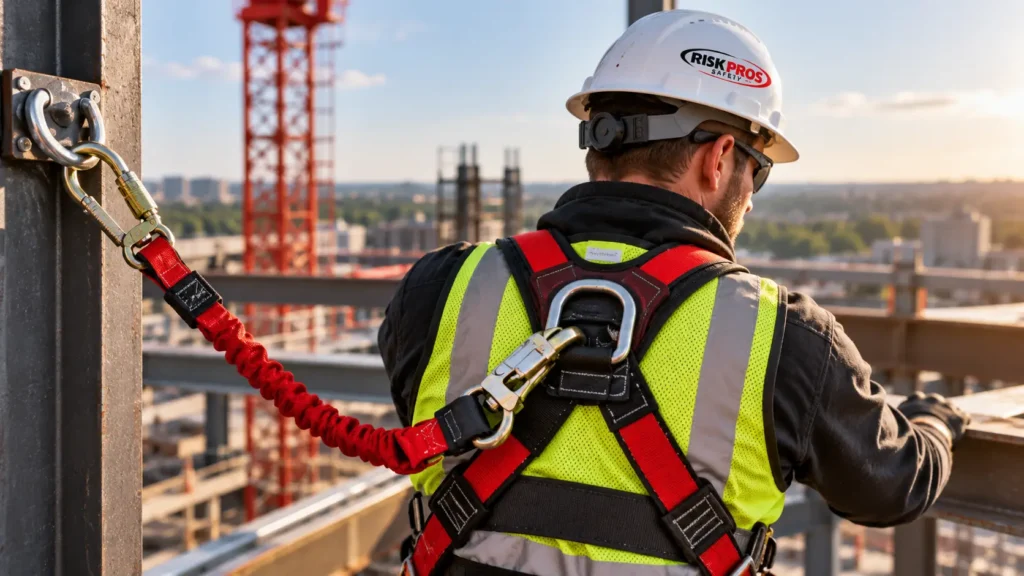
Falls are the number one killer of workers every year. In this training session we cover the various means of Fall Protection and the importance of making sure it is in place prior to starting our task.

Ladder Safety
The use of ladders in the workplace and at home is a very common practice. The problem is many of us use the wrong ladder, or we use the right ladder in the wrong way.
Forklifts
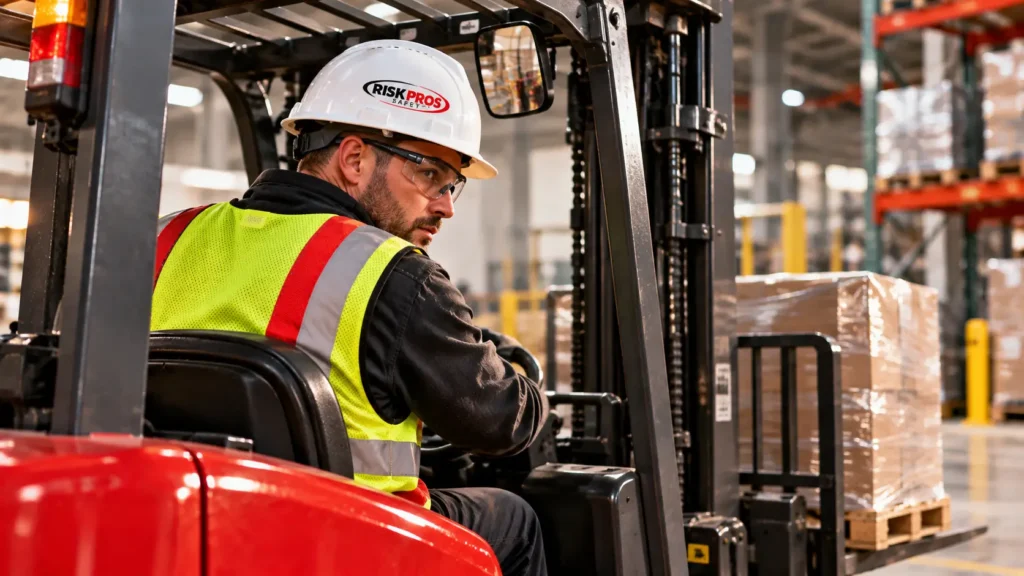
We all know how useful forklifts and lulls can be on the job; and how they can make moving, lifting and loading things a lot easier. But forklifts can and do cause a lot of injuries every year.