
FREE TOOLBOX TALKS / WORKING IN THE HEAT
Working in the Heat Safety Video & Toolbox Talk
Watch our free Working in the Heat safety video to learn practical ways to reduce the risk of heat exhaustion, heat stroke, and other heat-related illnesses. This short toolbox talk covers hydration, rest breaks, shade, heat awareness, and safe work practices for employees working in hot conditions.
Working in hot and humid conditions can place significant stress on the body and increase the risk of heat-related illness. In this toolbox talk, we focus on three fundamental precautions for working safely in the heat: water, rest, and shade. Workers should stay hydrated, take appropriate recovery breaks, use shaded or cooler areas when possible, and remain alert for changing weather conditions and signs of heat illness. Supervisors and employees should also understand that heat risk can vary based on temperature, humidity, workload, sunlight, clothing, and individual conditions.
Make Weekly Safety Training Easier
Stop searching for a new toolbox talk every week. Give your teams ongoing access to practical safety videos and keep employee participation records organized.
150+ Safety Topics
A comprehensive training video library.
Consistent Weekly Training
Keep regular safety training organized.
Participation Tracking
Document who participated in each talk.
Working in the Heat: Key Safety Points
Working in hot conditions can increase the risk of dehydration, heat exhaustion, heat stroke, and other heat-related illnesses. Employees working outdoors or in hot indoor environments should understand the hazards associated with heat exposure and take steps to help their bodies safely manage the additional stress.
Stay Hydrated Throughout the Workday
Proper hydration is one of the most important ways to reduce the risk of heat-related illness.
Important hydration practices include:
- Keep cool drinking water readily accessible near the work area.
- Drink regularly throughout the workday rather than waiting until you feel thirsty.
- Begin the workday properly hydrated.
- For prolonged strenuous work involving heavy sweating, electrolyte-containing beverages may also be appropriate.
- Make sure workers know where drinking water is located and can access it when needed.
OSHA recommends frequent hydration and says cool water should be readily accessible to employees working in the heat. For longer jobs involving substantial sweating, OSHA also recommends access to fluids containing electrolytes.
Take Appropriate Rest Breaks
As heat stress increases, workers may need more frequent or longer recovery periods.
Supervisors and employees should:
- Monitor heat conditions throughout the workday.
- Increase rest periods as heat exposure and physical workload increase.
- Schedule particularly strenuous tasks during cooler portions of the day when practical.
- Allow workers enough recovery time before returning to strenuous activity.
- Pay particular attention to employees who are new to working in hot conditions or returning after time away.
The amount of rest needed shouldn’t be tied to one universal heat-index number. OSHA notes that appropriate work/rest cycles depend on factors including environmental heat, workload, acclimatization and individual risk.
Provide Shade or a Cooler Recovery Area
Rest breaks are more effective when workers have a location where they can recover from the heat.
Suitable recovery areas may include:
- Natural shade.
- Portable tents or canopies.
- Shaded structures.
- Nearby buildings.
- Air-conditioned spaces or vehicles when appropriate.
- Areas equipped with fans or other cooling methods when conditions permit.
The goal is to provide employees with a cooler environment where their bodies can recover before they resume work.
Recognize the Signs of Heat Illness
Workers and supervisors should know how to recognize possible heat-related illness.
Signs of heat exhaustion can include headache, dizziness, weakness, heavy sweating, nausea, thirst, irritability, or confusion.
Heat stroke is a medical emergency. Confusion, loss of consciousness, seizures, collapse, or other serious neurological symptoms can indicate heat stroke. Call 911 immediately and begin cooling the worker while emergency assistance is on the way.
Acclimatize Workers to Hot Conditions
Workers who are new to hot environments—or returning after time away—can be particularly vulnerable to heat illness.
Employers should gradually increase these workers’ exposure to hot conditions and workloads while providing additional opportunities for hydration and rest. Acclimatization allows the body time to adapt to working in the heat.
Frequently Asked Questions
What is heat illness prevention training?
Heat illness prevention training helps workers understand the hazards associated with working in hot conditions, recognize signs and symptoms of heat-related illness, and learn preventative measures such as hydration, rest, shade, acclimatization, and appropriate emergency response.
How much water should workers drink when working in the heat?
Workers should drink water regularly rather than waiting until they become thirsty. OSHA recommends approximately one cup of water every 15 to 20 minutes during work in hot conditions and cautions against consuming excessive amounts of fluid in a short period. Longer periods of strenuous work and heavy sweating may also require electrolyte replacement.
What are the warning signs of heat exhaustion?
Heat exhaustion can cause symptoms including headache, dizziness, weakness, heavy sweating, thirst, nausea, irritability, and confusion. Workers experiencing symptoms should stop working, move to a cooler location, and receive appropriate assistance.
What should you do if someone shows signs of heat stroke?
Heat stroke is a medical emergency. If a worker becomes confused, collapses, loses consciousness, experiences seizures, or shows other serious symptoms, call 911 immediately. Move the person to a cooler area and begin rapid cooling while waiting for emergency medical assistance.
Can this video replace required heat safety training?
No. This video is intended as a general awareness resource and toolbox talk. Employers remain responsible for evaluating their workplace hazards and providing the training, procedures, controls, and protections required for their particular employees and working conditions.
More Free Safety Videos
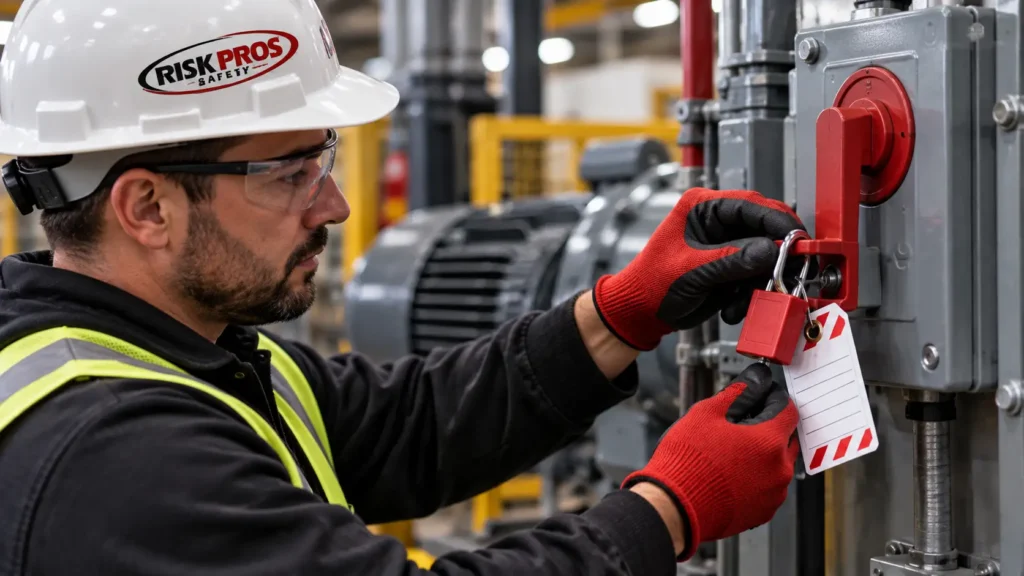
Lockout Tagout
In this session we share important information that is critical to safely performing maintenance on all types of machines and equipment we use in the performance of our work.

Ladder Safety
The use of ladders in the workplace and at home is a very common practice. The problem is many of us use the wrong ladder, or we use the right ladder in the wrong way.
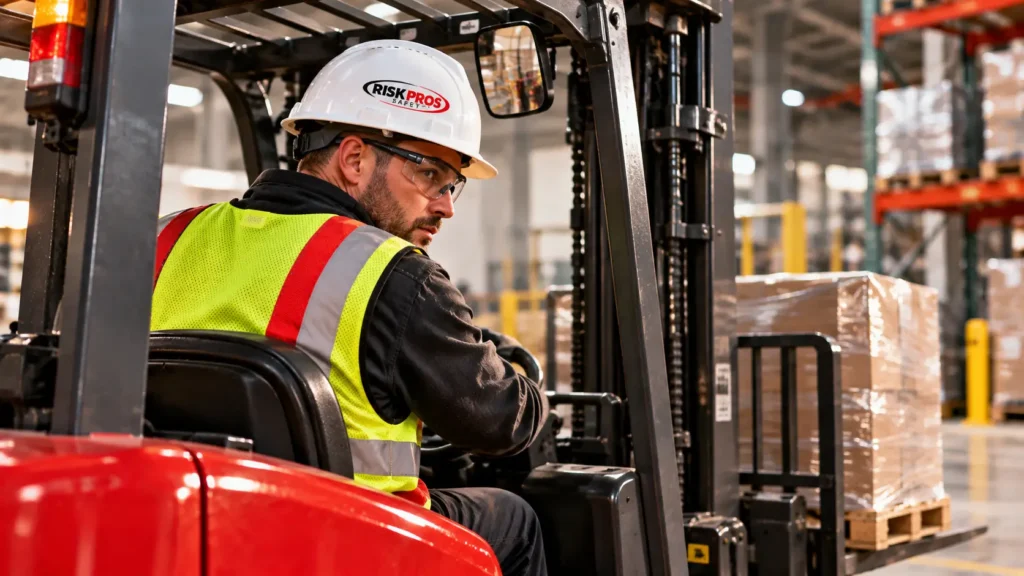
Forklifts
We all know how useful forklifts and lulls can be on the job; and how they can make moving, lifting and loading things a lot easier. But forklifts can and do cause a lot of injuries every year.