
FREE TOOLBOX TALKS / SLIPS, TRIPS & FALLS
Slips, Trips and Falls Safety Video & Toolbox Talk
Watch our free Slips, Trips and Falls safety video to learn how common workplace hazards such as spills, clutter, cords, uneven surfaces, and poor housekeeping can lead to injuries. This short video is a practical resource for workplace safety meetings and weekly toolbox talks.
Slips, trips and falls can happen in almost any workplace and can result in injuries ranging from sprains and strains to broken bones and serious head injuries. In this safety discussion, we look at common hazards including spills, clutter, tools, cords, uneven walking surfaces, poor housekeeping, and unsafe ladder conditions. We also discuss simple steps employees can take to recognize hazards, correct unsafe conditions, and help prevent injuries before they occur.
Make Weekly Safety Training Easier
Stop searching for a new toolbox talk every week. Give your teams ongoing access to practical safety videos and keep employee participation records organized.
150+ Safety Topics
A comprehensive training video library.
Consistent Weekly Training
Keep regular safety training organized.
Participation Tracking
Document who participated in each talk.
Slips, Trips and Falls: Key Safety Points
Slips, trips and falls are among the most common workplace hazards and can occur in offices, warehouses, construction sites and many other work environments. Paying attention to walking surfaces, maintaining good housekeeping and correcting hazards when they are discovered can significantly reduce the potential for an accident.
Common Slip and Trip Hazards
Many everyday workplace conditions can create an unexpected slip or trip hazard.
Common hazards include:
-
Water, oil and other spills on walking surfaces.
-
Tools, materials, boxes or debris left in walkways.
-
Extension cords, cables and temporary utility lines crossing walking areas.
-
Uneven floors, damaged flooring, loose rugs or rumpled carpeting.
-
Changes in elevation, thresholds and parking lot wheel stops.
-
Mud, oil or other substances on shoes, ladder rungs or walking surfaces.
-
Wet or slippery conditions caused by weather.
Employees should remain alert to changing conditions and report or correct hazards before someone is injured.
Good Housekeeping Helps Prevent Falls
Good housekeeping is one of the simplest ways to reduce slips, trips and falls.
Keep aisles, walkways and work areas free from unnecessary tools, materials and debris. Clean up spills promptly or make sure the area is protected until the hazard can be corrected. Before placing tools, extension cords, boxes or other materials on the ground, consider whether they could interfere with a walking path.
A simple rule to remember is: if you see a hazard, correct it when you can. If you cannot safely correct it yourself, report it to someone who can.
Best Practices for Preventing Slips, Trips and Falls
Preventing these injuries often comes down to recognizing hazards before they cause an accident.
Important safety practices include:
-
Keep walking and working surfaces clean and orderly.
-
Correct or report spills and slippery conditions promptly.
-
Keep cords, tools and materials out of normal walking paths whenever possible.
-
Wear footwear appropriate for the work environment and conditions.
-
Watch where you are walking and maintain a clear view of your path.
-
Inspect ladders and keep ladder rungs and footwear free of mud, oil and other substances that could reduce traction.
-
Use ladders according to workplace procedures and manufacturer instructions.
-
Avoid shortcuts through areas that are not intended or maintained as safe walking paths.
Regular toolbox talks can help employees recognize these hazards and reinforce the importance of correcting unsafe conditions before an injury occurs.
Frequently Asked Questions
What are the most common causes of workplace slips, trips and falls?
Common causes include wet or slippery floors, spills, clutter, tools and materials in walkways, extension cords, uneven walking surfaces, damaged flooring and poor housekeeping. Weather conditions and unsafe ladder use can also contribute to fall hazards.
How can employees help prevent slips and trips at work?
Employees can help by keeping work areas and walkways clear, promptly addressing spills and other hazards, keeping cords and materials out of walking paths, wearing appropriate footwear and reporting unsafe conditions that cannot be immediately corrected.
Why is housekeeping important for preventing slips, trips and falls?
Good housekeeping removes many of the conditions that cause these accidents. Keeping floors, aisles and work areas clear of debris, tools, materials and spills helps employees move through the workplace safely.
Can this video replace required workplace safety training?
No. This general awareness video is designed to supplement workplace safety training and toolbox talks. Employers remain responsible for providing training and implementing safety procedures required for the hazards present in their workplace and under applicable OSHA standards.
Who should watch this slips, trips and falls safety video?
This video can be useful for employees, supervisors, safety managers and others who work in environments where walking-surface, housekeeping or ladder hazards may be present. Because slip and trip hazards occur in many industries, the topic is appropriate for a wide range of workplace safety meetings.
More Free Safety Videos
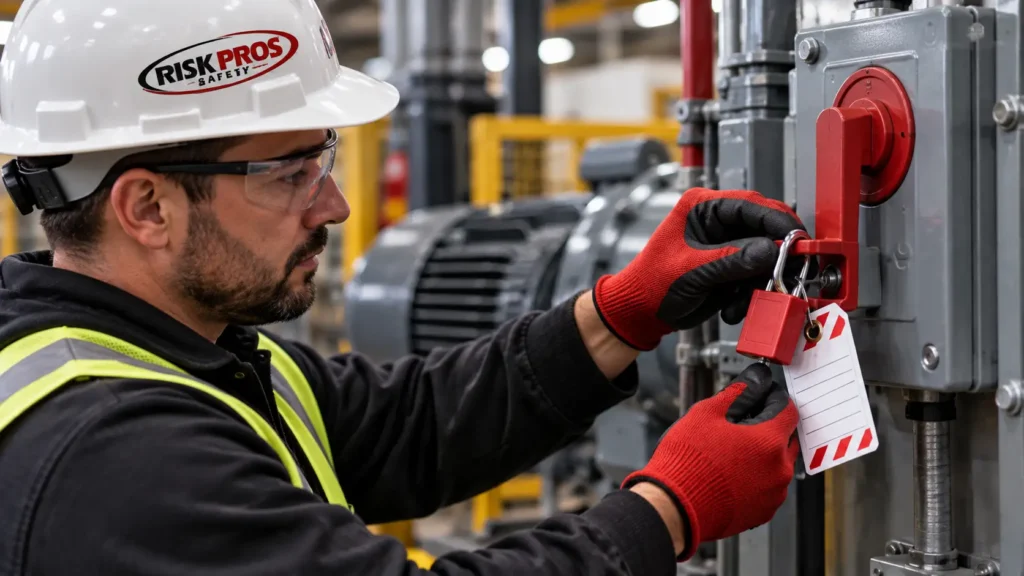
Lockout Tagout
In this session we share important information that is critical to safely performing maintenance on all types of machines and equipment we use in the performance of our work.
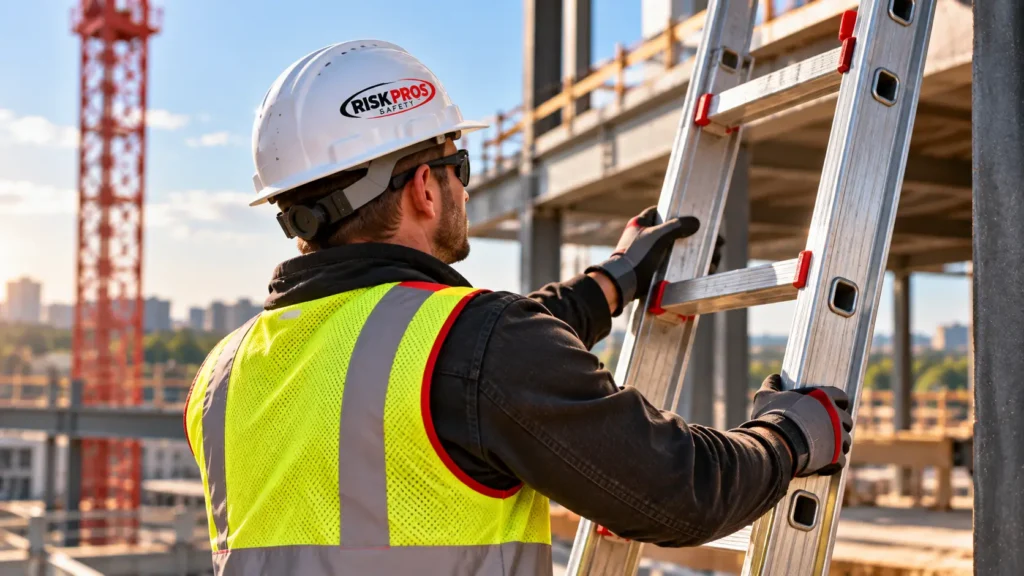
Ladder Safety
The use of ladders in the workplace and at home is a very common practice. The problem is many of us use the wrong ladder, or we use the right ladder in the wrong way.
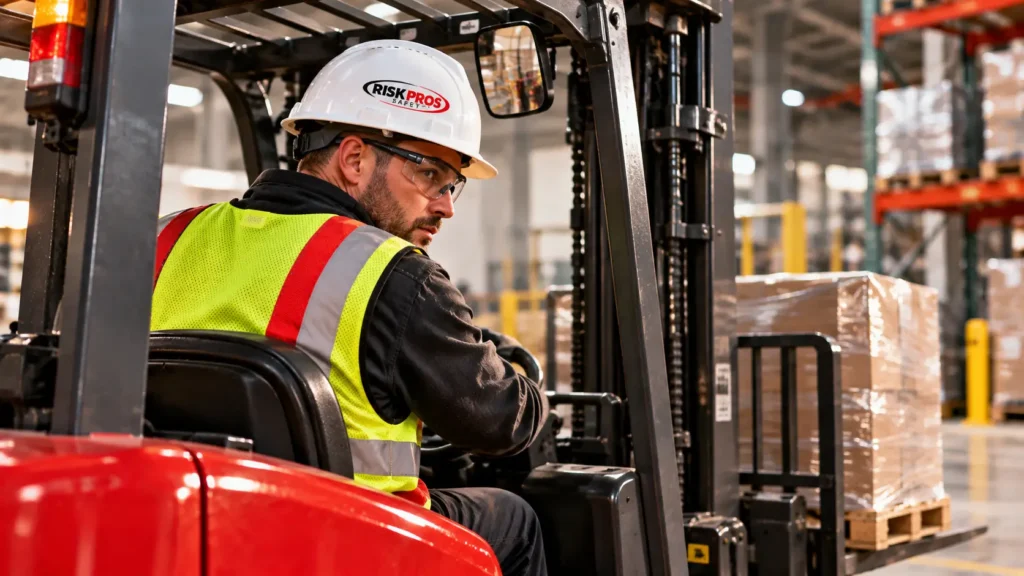
Forklifts
We all know how useful forklifts and lulls can be on the job; and how they can make moving, lifting and loading things a lot easier. But forklifts can and do cause a lot of injuries every year.